

Can you imagine someone selling a phone with a cracked screen? It will either stay on the shelf or fetch a smaller value.
It’s the same with a storm-damaged house… only worse, with far more money on the line.
Since 1980, Virginia has been hit by 116 weather disasters, and severe storms made up 53 of them.
We understand if you’ve already tried to sell a damaged home since you won’t be the only seller with one in the state. We also get it if you’ve watched buyers walk away.
That’s why we buy houses in Virginia Beach, Richmond, and across the state as-is and for cash. Get a free offer today, and see how much you can make from your storm-damaged property in as little as seven days.
 What Kinds of Damage Do Big Storms Cause?

After a storm (or two), we normally see the damage in the following places and forms:
- Roof and siding: High winds rip off shingles and siding, which leaves the house open to rain.
- Fallen trees and debris: One heavy limb can crack a roof, crush gutters, or break windows.
- Flooding and storm surge: Heavy rain and rising coastal water soak floors, walls, and crawl spaces.
- Mold: Wet drywall, carpet, and insulation give mold the moisture it needs to spread.
- Foundation damage: Soaked soil can shift or wash away, which leads to cracks below the house.
Buyers with mortgages tend to avoid homes in poor condition. A house with a cracked foundation or several storm problems at once often ends up in that group.
When Do Storms Hit Virginia, and Why?
Storms hit Virginia all year, though the type changes with the season.
Warm ocean water feeds hurricanes in summer and fall, and in the colder months, cold air brings nor’easters and ice storms instead. It’s one reason timing plays a big part in picking the best months to sell in Virginia Beach.

virginia beach virginia
Hurricane Season
Hurricane season runs from June 1 through November 30.
The busiest stretch comes from mid-August to mid-October, when the ocean is warmest, and that’s when Hurricane Isabel flooded much of Hampton Roads in 2003.
Nor’easters
From fall through early spring, nor’easters bring strong winds and days of rain to the coast. These storms can stall offshore and keep water high in Virginia Beach and Norfolk for several tides.
Summer Thunderstorms
Hot, humid afternoons build storms with hail, strong winds, and flash floods. A few minutes of hail can ruin a roof.
Winter Storms
Ice and heavy snow hit northern and western Virginia hardest. Inside the house, a frozen pipe can burst and flood the rooms around it.
What Happens if You Wait To Repair Damage?
Storm damage isn’t one of those times when you just let sleeping dogs lie. Over time, the damage accumulates, and so do the costs before you sell.
Mold and Rot
Once a flooded home stays wet for24 to 48 hours, the EPA says to assume mold has started growing. Damp wood framing and floors can also start to rot. At that point, a simple drywall job becomes a much bigger repair.
Repair Bills
From 2019 to 2023, insurers paid an average of $15,400 per water damage claim. Wind and hail claims averaged $14,747. Your deductible and anything the policy leaves out come on top of those payouts, and falling behind on your mortgage adds a second problem to the first.
Buyer Inspections
A home listed with storm damage still has to pass a buyer’s inspection. Once the report comes back, many buyers ask for repairs or a lower price, and some walk away.
Failed inspections are one of the top reasons a home won’t sell. If a deal has already fallen apart this way, it doesn’t mean your house can’t sell.
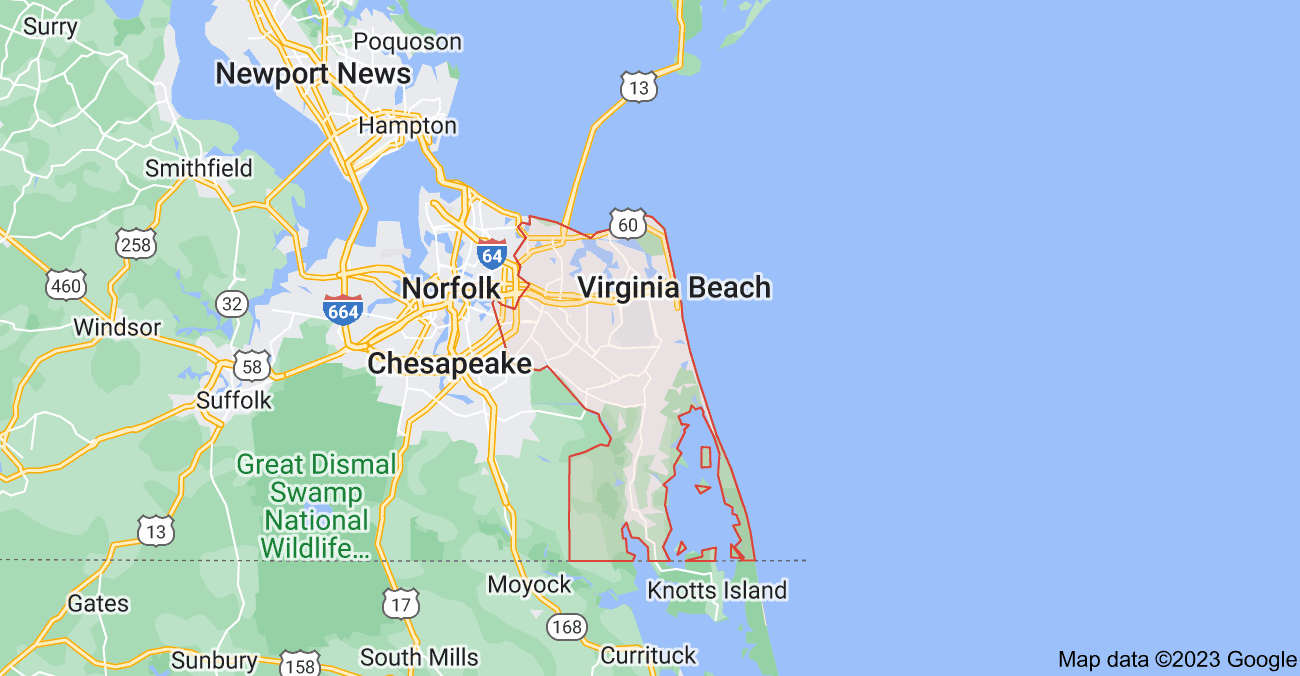
Map of Virginia Beach
How We Buy Houses in Virginia and Across Virginia
When you sell to us, all it takes is three steps:
- Share your property details: Fill out our short online form and tell us about the house and the damage.
- Get your cash offer: We review the details and send a free, no-obligation offer in less than 24 hours.
- Pick your closing date: Close in about seven days, or choose a later date if you need more time to pack.
What Are the Benefits of a Cash Sale?
Even if your home is in one of the best Richmond neighborhoods, it can sit unsold once storm damage shows up on an inspection report.
Luckily, a cash sale lets you sell a storm-damaged house without repairs, commissions, or the risk of a buyer’s loan falling through.
The commission savings alone are notable. Virginia’s is about $401,888, and sellers here pay an average total commission of 5.50%. On a $400,000 sale, that’s $22,000 gone before closing costs.
FAQs
Will you buy my house even if it has storm damage?
Of course. We buy houses with water, fire, and mold damage, along with homes that need major repairs.
Do I need to fix the roof before selling?
No, you don’t. You can sell with a damaged roof, and we’ll handle the repairs after closing.
Can I sell if my insurance claim is still ongoing?
Yes, you can. Your policy decides who gets any payout after the sale, so talk with your insurer first. Then tell us about the claim when you request an offer.

Sell My House Fast Virginia Beach
How soon can I get my money?
You can close in about seven days or on a later date that suits you better. Once the sale closes, you get paid.
Do I have to clean up the storm debris first?
We buy houses as-is, so there’s no need for you to fix anything or clean up before you reach out for an offer.
Storm Damage? Sell to CavaBuys
We buy storm-damaged houses as-is and close on your timeline, so you don’t have to pay for repairs or wait on a buyer. Mold, repair bills, and a stalled listing can keep draining your savings after the storm is gone.
We’ve helped homeowners in Richmond, Virginia Beach, Norfolk, and Chesapeake sell houses in every kind of condition. We also hold an A+ rating with the Better Business Bureau.
When you sell your house as-is to us, you skip the commissions and hidden fees. The storm chose when the damage happened, but you get to choose when the sale closes.
Get a free cash offer today, and get paid for your storm-damaged home in as little as seven days.